Beyond the Horizon ISSG
  • Publications
    • Global Challenges
      • Geopolitics & Great Power Politics
      • Energy Security
      • Environment & Climate Change
    • Peace & Conflict
      • Peace & Conflict Management
      • Defence & Security
      • Political & Hybrid Warfare
      • Maritime & Naval Security
      • Fighting Organised Crime and Terrorism
    • Societal Challenges
      • Diversity & Inclusion
      • Gender & Equalities
      • Migration & Integration
      • Democracy & Rule of Law
      • Radicalisation & Polarisation
    • Digitalisation
      • Artificial Intelligence
      • Disruptive Technologies
      • Cyber Security
    • W.A.R. on the Horizon
    • Asia on the Horizon
    • Book Review
    • Horizon Insights
      • Issues
      • Call for Editors
      • Call for Papers
      • Article Submission Guidelines
    • Crisis Horizon
      • Ukraine Crisis Horizon 2023
      • Mediterranean Crisis Horizon
  • Defence & Security
  • Policy Briefs
  • Events
  • Projects
    • EuroHub4Sino
    • EU in a nutshell (EU101)
    • INNOVADE
    • IMMUNE 2 INFODEMIC-2
    • NOTIONES
    • KT4D
  • Academy
    • Horizon Global Academy
    • E-Learning
  • Horizon Lab
  • About
    • About Us
    • Contact Us
    • Career
    • Guideline for Contributors
    • Child Protection Policy
    • SEA-H Policy
    • Partners
    • Team
    • Sponsorship
    • Support and Donation
    • Members Only
    • Gender Equality Plan
    • Terms and Conditions, Cookie, Privacy and GDPR Policies
Select Page
Child Returnees: A Proposal for Managing Their Return from Conflict Zones

Child Returnees: A Proposal for Managing Their Return from Conflict Zones

by Kasim Dogan, PhD | Apr 4, 2018 | Commentary, Fighting Organised Crime and Terrorism, Radicalisation & Polarisation

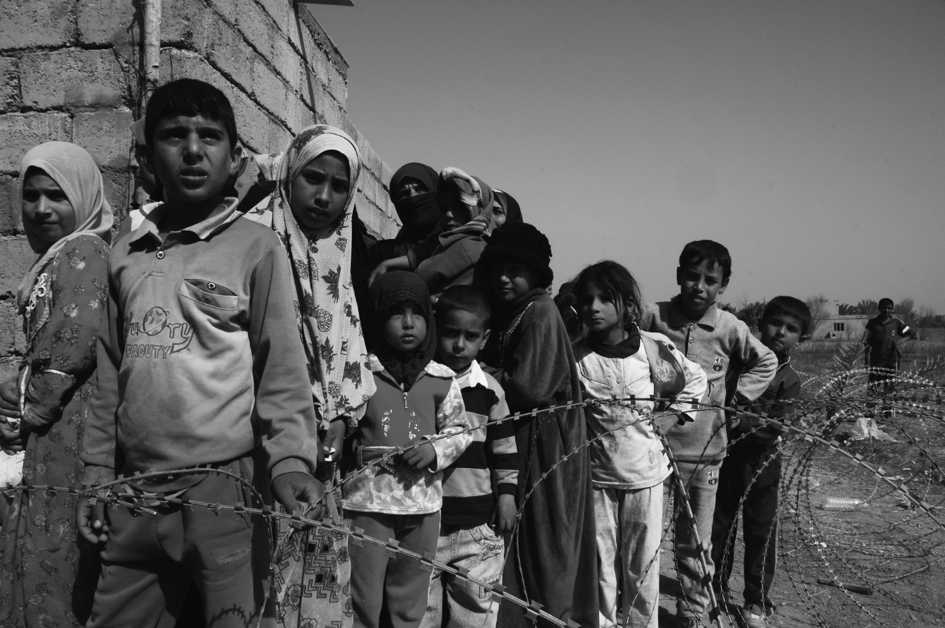
“While estimating the number of children who have travelled from Europe to DAESH territory is difficult, another unknown is the actual number of children born (or yet to be born) in Syria or Iraq to European parents.”[1] Some of children were teenagers and went to the...
2017 Piracy Assessment and Avoidance Methods from Piracy Attacks

2017 Piracy Assessment and Avoidance Methods from Piracy Attacks

by Metin Guvenir | Mar 22, 2018 | Commentary, Maritime & Naval Security, Political & Hybrid Warfare, Research

1. Introduction: Maritime transport is crucial to the world’s economy as over 90% of the world’s trade is carried by sea, and it is the most cost-effective way to move goods and raw materials around the world at this time. The massive commercial maritime traffic makes...
What is the Significance of the 2018 PyeongChang Winter Olympics?

What is the Significance of the 2018 PyeongChang Winter Olympics?

by Gabriel Jonsson | Mar 15, 2018 | Commentary, Geopolitics & Great Power Politics, Peace & Conflict Management

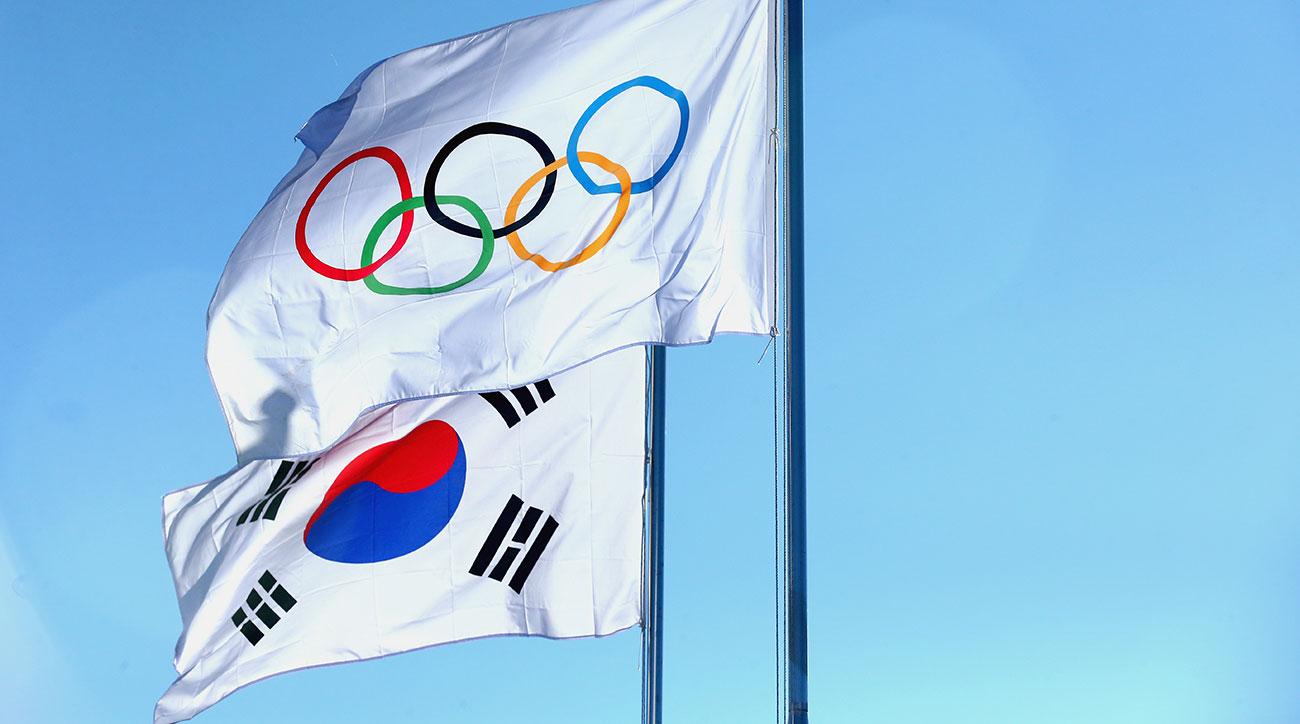
This year bore witness to unexpected signs of improvements in Inter-Korean relations, as became clearer during PyeongChang Winter Olympics between February 9-25. This change of tone in relations between the two states prompts three interrelated questions: How did it...
(Combined) FONOPs Warm the Waters in South China Sea    

(Combined) FONOPs Warm the Waters in South China Sea    

by Metin Guvenir | Mar 13, 2018 | Commentary, Geopolitics & Great Power Politics, Maritime & Naval Security

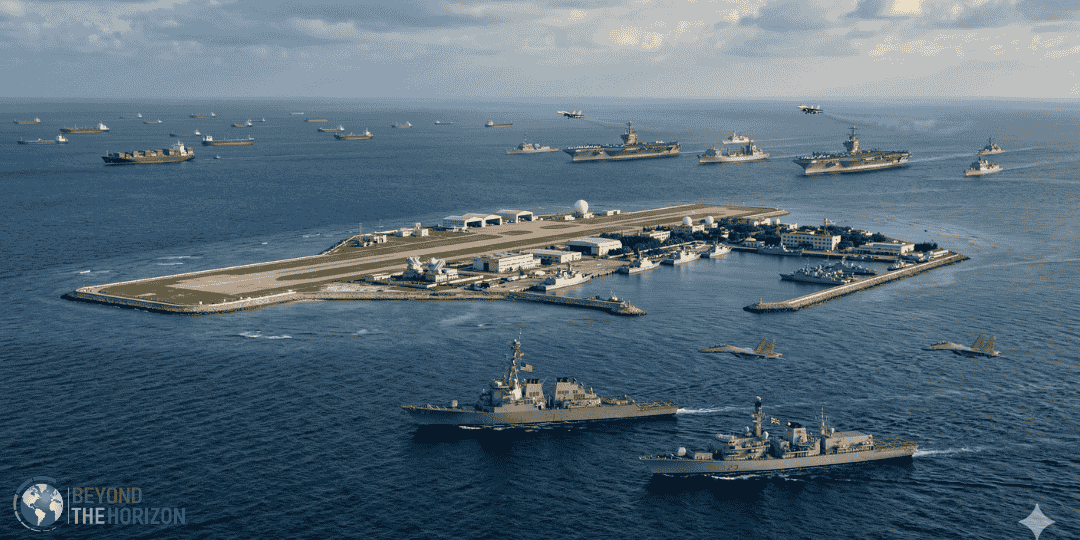
After US declared that they changed their pivot to Asia-Pacific region in 2012, both Obama and Trump administrations kept increased numbers of Freedom of Navigation Operations (FONOPs) in the South China Sea under the authority of US Pacific Command. The Obama...
AI and the Future of Russia’s Political Warfare

AI and the Future of Russia’s Political Warfare

by BEYOND THE HORIZON | Mar 7, 2018 | Commentary, Political & Hybrid Warfare, Research

By Alina Polyakova** and Spencer Phipps Boyer** The Kremlin’s political warfare against democratic countries has evolved from overt to covert influence activities. But while Russia has pioneered the toolkit of asymmetric measures for the 21st century, including...
Will UNSC Resolution 2401(2018) Be Really Effective?

Will UNSC Resolution 2401(2018) Be Really Effective?

by MENA Task Force | Mar 1, 2018 | Commentary, Defence & Security, Peace & Conflict Management

On 24 February 2018, United Nations Security Council (UNSC) released a resolution to cease hostilities without delay for at least 30 consecutive days, ensuring a “durable humanitarian pause” to enable humanitarian aid deliveries and medical evacuations of the...

« Older Entries
Next Entries »

Categories

  • Artificial Intelligence
  • Book Review
  • Commentary
  • Cyber Security
  • Defence & Security
  • Democracy & Rule of Law
  • Disruptive Technologies
  • Diversity & Inclusion
  • Energy Security
  • Environment & Climate Change
  • Events & Activities
  • Fighting Organised Crime and Terrorism
  • Gender & Equalities
  • Geopolitics & Great Power Politics
  • Infographic
  • Maritime & Naval Security
  • Migration & Integration
  • Peace & Conflict Management
  • Policy Brief
  • Political & Hybrid Warfare
  • Publications
    • Horizon Insights
    • Proceedings
  • Radicalisation & Polarisation
  • Research

Archives

Beyond the Horizon ISSG logo 20210 3d

Beyond the Horizon International Strategic Studies Group (BtH) is an independent next-generation think & do tank in Belgium

Subscribe to Newsletter

Navigate

HomePage

Publications

Crisis Horizon

Projects

Academy

Publications

Research

Commentary

Horizon Insights

Policy Brief

Book Review

Guideline for contributors

About

About Us

Support and Donation

Team

Partners

Career

Become a Member

Contact



+32 (0) 2 801 13 57-58



info@behorizon.org



Davincilaan 1, 1930 Zaventem Belgium

BTH BC-Certified-logo_BC-9022
Beyond the Horizon ISSG Quality kwaliteitsregistratie

© Copyright BtH 2017-2026

Privacy Policy • Terms & Conditions • GDPR&Cookie Policy

  • Follow
  • Follow
  • Follow
  • Follow