Beyond the Horizon ISSG
  • Publications
    • Global Challenges
      • Geopolitics & Great Power Politics
      • Energy Security
      • Environment & Climate Change
    • Peace & Conflict
      • Peace & Conflict Management
      • Defence & Security
      • Political & Hybrid Warfare
      • Maritime & Naval Security
      • Fighting Organised Crime and Terrorism
    • Societal Challenges
      • Diversity & Inclusion
      • Gender & Equalities
      • Migration & Integration
      • Democracy & Rule of Law
      • Radicalisation & Polarisation
    • Digitalisation
      • Artificial Intelligence
      • Disruptive Technologies
      • Cyber Security
    • W.A.R. on the Horizon
    • Asia on the Horizon
    • Book Review
    • Horizon Insights
      • Issues
      • Call for Editors
      • Call for Papers
      • Article Submission Guidelines
    • Crisis Horizon
      • Ukraine Crisis Horizon 2023
      • Mediterranean Crisis Horizon
  • Defence & Security
  • Policy Briefs
  • Events
  • Projects
    • EuroHub4Sino
    • EU in a nutshell (EU101)
    • INNOVADE
    • IMMUNE 2 INFODEMIC-2
    • NOTIONES
    • KT4D
  • Academy
    • Horizon Global Academy
    • E-Learning
  • Horizon Lab
  • About
    • About Us
    • Contact Us
    • Career
    • Guideline for Contributors
    • Child Protection Policy
    • SEA-H Policy
    • Partners
    • Team
    • Sponsorship
    • Support and Donation
    • Members Only
    • Gender Equality Plan
    • Terms and Conditions, Cookie, Privacy and GDPR Policies
Select Page
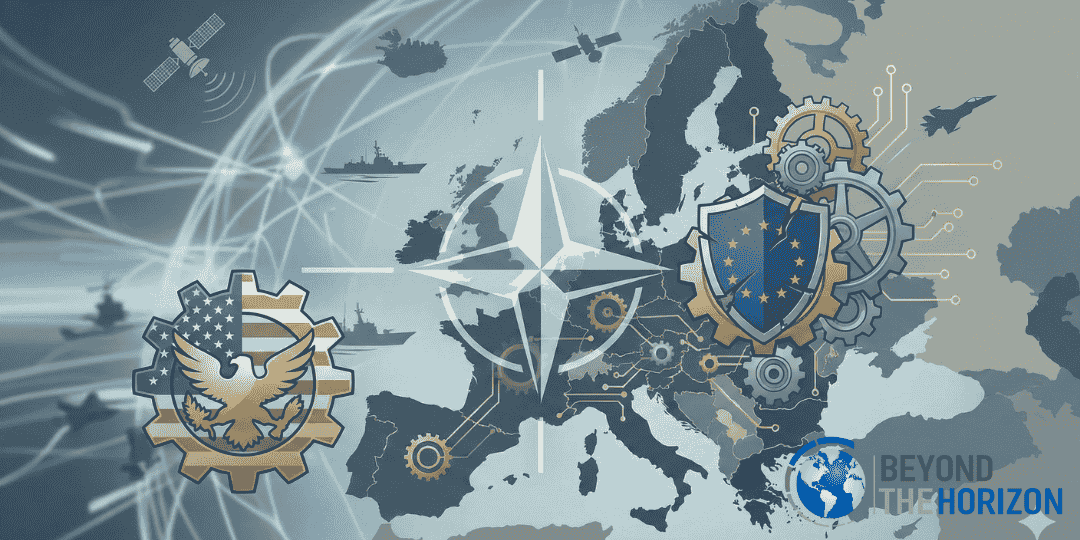
Europe, NATO, and the Limits of Independence

Europe, NATO, and the Limits of Independence

by Transatlantic Task Force | Feb 6, 2026 | Commentary, Geopolitics & Great Power Politics

Key Takeaways Strategic autonomy is not a single objective: Operational autonomy in limited crises is achievable; full-spectrum collective defence without the United States is a multi-decade project at best and politically evasive to pretend otherwise. Europe’s...
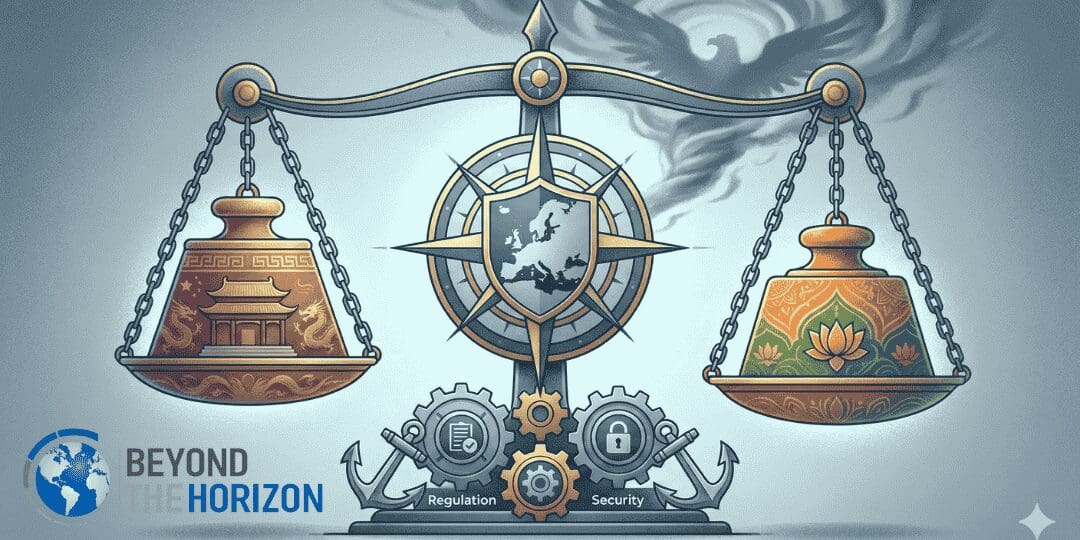
Europe’s Indo-Pacific Hedge: Balancing Between China and India

Europe’s Indo-Pacific Hedge: Balancing Between China and India

by Asia Pacific Task Force | Feb 3, 2026 | Commentary, Geopolitics & Great Power Politics

Key Takeaways Hedging is strategy, not drift: Europe’s Indo-Pacific moves reflect insurance-seeking behavior under high uncertainty, combining diversification, engagement, and risk reduction rather than indecision. The EU–India trade deal is meaningful but bounded:...
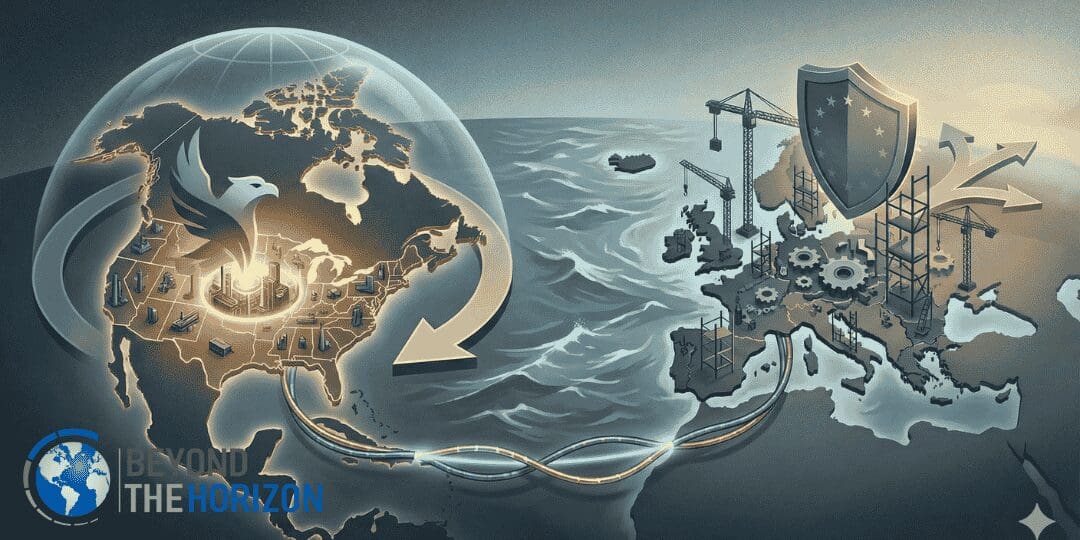
Europe and the 2026 U.S. Defense Strategy

Europe and the 2026 U.S. Defense Strategy

by Transatlantic Task Force | Jan 28, 2026 | Commentary, Geopolitics & Great Power Politics

Key Takeaways U.S. commitment to European defense is no longer unconditional: The 2026 NDS reframes American support as contingent on European burden-sharing, capability development, and regional leadership rather than automatic forward presence. Homeland defense has...
U.S. 2026 Defense Strategy: Indo-Pacific Implications

U.S. 2026 Defense Strategy: Indo-Pacific Implications

by Asia Pacific Task Force | Jan 27, 2026 | Commentary, Geopolitics & Great Power Politics

Key Takeaways The NDS marks a real strategic pivot, not a rhetorical adjustment: Homeland defence and China deterrence now clearly outrank all other priorities, with Europe and other regions explicitly downgraded. Deterrence by denial is the organizing concept—but it...
SAFE and the Quiet Normalisation of EU War Finance

SAFE and the Quiet Normalisation of EU War Finance

by Timucin Ibu | Jan 23, 2026 | Commentary, Defence & Security

Key Takeaways SAFE is a structural shift, not a crisis tool: The programme normalises defence spending within EU macroeconomic governance, marking a decisive break from treating military expenditure as exceptional or temporary. Financial integration is outpacing...

Hedging in an Age of Transactional Alliances

Hedging in an Age of Transactional Alliances

by Asia Pacific Task Force | Jan 21, 2026 | Commentary, Geopolitics & Great Power Politics

Key Takeaways Hedging is adaptive, not revisionist: Asia-Pacific allies are not abandoning the U.S.-led order; they are adjusting to uncertainty created by transactional alliance management. Transactional U.S. behavior accelerates diversification: Tariffs, conditional...
« Older Entries
Next Entries »

Categories

  • Artificial Intelligence
  • Book Review
  • Commentary
  • Cyber Security
  • Defence & Security
  • Democracy & Rule of Law
  • Disruptive Technologies
  • Diversity & Inclusion
  • Energy Security
  • Environment & Climate Change
  • Events & Activities
  • Fighting Organised Crime and Terrorism
  • Gender & Equalities
  • Geopolitics & Great Power Politics
  • Infographic
  • Maritime & Naval Security
  • Migration & Integration
  • Peace & Conflict Management
  • Policy Brief
  • Political & Hybrid Warfare
  • Publications
    • Horizon Insights
    • Proceedings
  • Radicalisation & Polarisation
  • Research

Archives

Beyond the Horizon ISSG logo 20210 3d

Beyond the Horizon International Strategic Studies Group (BtH) is an independent next-generation think & do tank in Belgium

Subscribe to Newsletter

Navigate

HomePage

Publications

Crisis Horizon

Projects

Academy

Publications

Research

Commentary

Horizon Insights

Policy Brief

Book Review

Guideline for contributors

About

About Us

Support and Donation

Team

Partners

Career

Become a Member

Contact



+32 (0) 2 801 13 57-58



info@behorizon.org



Davincilaan 1, 1930 Zaventem Belgium

BTH BC-Certified-logo_BC-9022
Beyond the Horizon ISSG Quality kwaliteitsregistratie

© Copyright BtH 2017-2026

Privacy Policy • Terms & Conditions • GDPR&Cookie Policy

  • Follow
  • Follow
  • Follow
  • Follow