
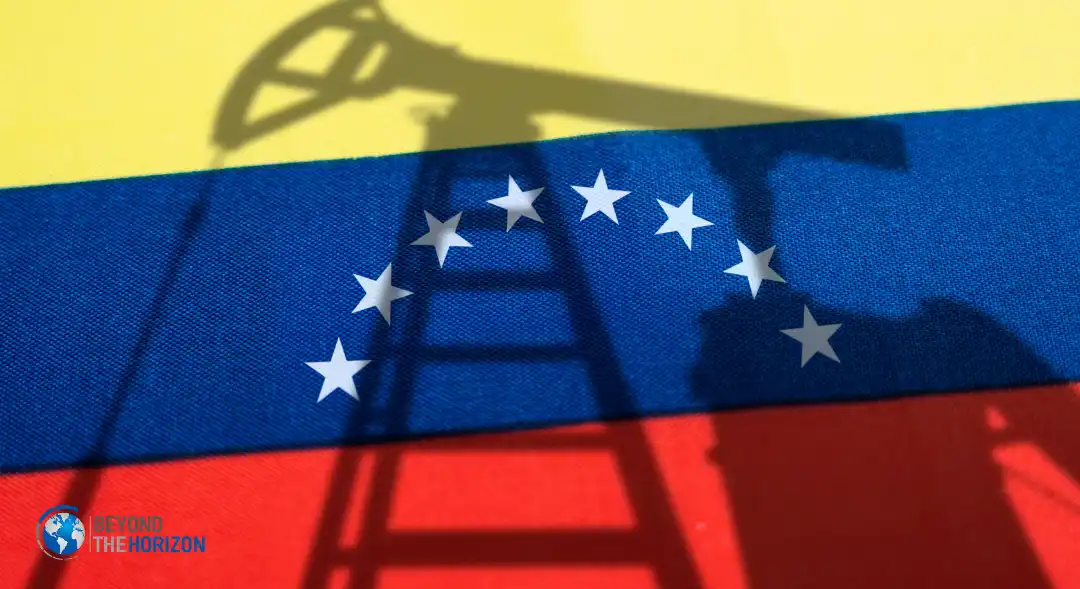
EU x VENEZUELA REPORT 2026
The January 2026 Turning Point
Relations entered a state of high flux following the Jan 3, 2026 US military operation. With Maduro captured and a power vacuum in Caracas, the EU faces a critical diplomatic challenge: maintaining strategic autonomy while navigating the aggressive US "Absolute Resolve" doctrine.
Diplomatic Stance
EU calls for "calm & restraint". Does NOT recognize new interim gov.
Trigger Event
US Military Op "Absolute Resolve". Capture of Nicolás Maduro.
EU Priority
Protection of EU citizens & energy assets (Repsol, Eni).
Economic Baseline (2024-2025)
Before the intervention, trade had stabilized around €2.74B, largely driven by European energy needs and Venezuelan dependency on EU machinery.
Bilateral Trade Volume Trend
Trade increased ~33% since 2020 due to oil license waivers.
EU Foreign Direct Investment
Current Stock (2023)
▼ Down from €21.4B in 2013
Capital flight due to instability.
EU Imports from Venezuela
Total driven by Crude Oil
Insight: 70% of imports are Oil & Petroleum, highlighting EU energy security interests (Repsol/Eni).
EU Exports to Venezuela
Critical Infrastructure Support
Insight: Venezuela relies on EU Machinery (20.9%) to keep its aging oil infrastructure operational.
Humanitarian Response
The EU remains a leading donor for the 7.7M+ refugees.
Key Aid Sectors
Sanctions Regime
TargetedUnlike US "sectoral" sanctions, EU measures target specific individuals to minimize harm to the general population.
Strategic Energy Outlook 2026
The Reality Check
Despite US promises to "fix the oil," infrastructure degradation limits immediate impact on global markets.
- ➜ $100 Billion+: Estimated cost to repair oil infrastructure over 10 years.
- ➜ No Price Shock: Analysts predict minimal impact on 2026 global oil prices.
- ➜ Risk: Potential exclusion of non-US entities (Repsol, Eni) from reconstruction.